Originally published: March 11, 2023
Last updated: February 2026
Seoul is a paradise for food lovers, especially if you’re trying Korean food for the first time. From quick street snacks to comforting traditional meals, Korean food in Seoul offers incredible variety, flavor, and affordability. I’m sharing 5 must-try Korean foods in Seoul that any Korean loves and first-time visitors shouldn’t miss.
Savoring the Top 5 Must-Try Korean Dishes in Seoul
Kimbap (김밥) – A Classic Korean Street Food

Kimbap is often introduced as Korean sushi, but it has its own Korean twist. It is usually made by rolling steamed rice with various fillings, then wrapping it in seaweed. The fillings can vary, but commonly include egg, carrot, spinach, radish, beef, ham, shrimp, or tuna. Kimbap is often served with a light dipping sauce or eaten as it is.
It is very easy to find kimbap throughout Seoul, from small local shops to convenience stores like CU and GS25. The price is affordable, usually around 2–3 dollars per roll, making it a great option for breakfast, lunch, or a quick snack. Vegetarians can also enjoy kimbap by choosing vegetable-only options. If you want a simple, filling, and low-cost Korean meal, kimbap is a great choice.

Bibimbap (비빔밥) – Traditional Korean Rice Bowl
Bibimbap is a well-known Korean comfort food typically made with rice, vegetables, and protein in one bowl. It includes vegetables, beef or chicken, a fried or raw egg, and especially gochujang sauce. All the ingredients are placed on top of the rice and mixed together before eating.
This dish can be served hot or cold, and there are many variations, such as dolsot bibimbap, which is served in a hot stone bowl that crisps the rice. Bibimbap is nutritious, filling, and balanced, making it a popular choice for lunch or dinner. The price usually ranges from 3–5 dollars, depending on portion size and location. Vegetarians can also enjoy it by skipping the meat.

Kimchi (김치) – Korea’s Most Famous Side Dish
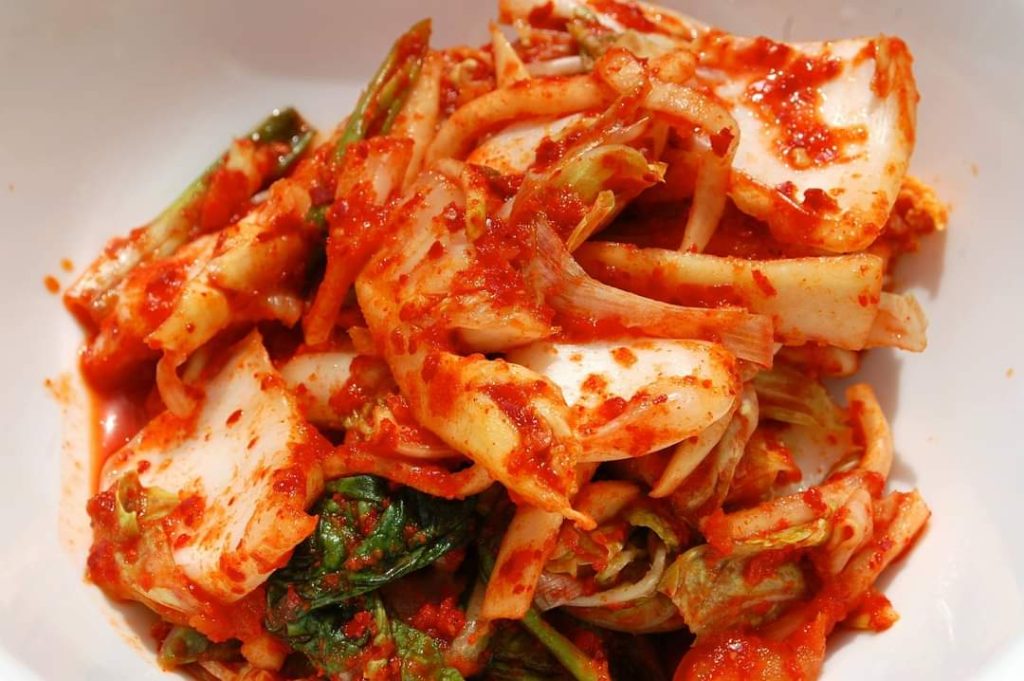
The next is Kimchi, one of the most essential foods in Korean cuisine. It is made from fermented napa cabbage mixed with radish, chili pepper powder, garlic, and other seasonings. Kimchi is usually served as a side dish and comes with almost every Korean meal.
Although kimchi looks very spicy, many varieties are mild and flavorful rather than overly hot. You can buy kimchi at restaurants, grocery stores, or convenience stores like in CU or GS25 throughout Seoul. Prices usually start around 2–5 dollars, depending on quantity. Kimchi is a must-try food if you want to experience authentic Korean flavors.
Would you like to try Korean coffee? Then this is the article for you:

Tteokbokki (떡볶이) – Spicy Korean Street Food
Tteokbokki is probably the most popular Korean street food. It’s spicy rice cakes, fish cakes, and sometimes hard-boiled eggs cooked in a thick, delicious spicy sauce. There are many ways to eat and make tteokbokki, but my favorite is the original version with some twigim (tempura) to dip into the sauce. This combo is awesome!
The best tteokbokki I have ever had is from a local stall in Itaewon, Seoul. I’ve been trying to figure out how they make it, and here is what I’ve come up with. It’s kind of difficult to compare since I can’t do a side-by-side taste test.
You can find this dish in any street food stalls and small restaurants. It is affordable, filling, and perfect for a quick meal or snack. Some versions include cheese, which adds a creamy balance to the spicy sauce. Tteokbokki usually costs around 3–5 dollars and is especially popular among street food lovers.
Dosirak (도시락) – Korean Convenience Store Meal
The final one in the list is Dosirak, a Korean packed lunch box that includes rice and several side dishes in one container. Common items include egg, kimchi, spam, vegetables, and roasted seaweed. It is designed to be mixed together before eating.
Dosirak is easy to find in convenience stores, train stations, and food courts across Korea. It is a convenient and economical meal option, especially for travelers. Prices usually range from 4 to 6 dollars. Dosirak reflects Korean everyday food culture and is both filling and satisfying.

If you’re visiting Seoul for the first time or anywhere in Korea, such as Busan, Daejeon, or Jeju Island, exploring Korean cuisine is one of the best ways to experience local culture. These dishes are affordable, easy to find, and loved by Koreans. Whether you’re eating at a street stall, convenience store, or small restaurant, Korean food in Seoul will leave you full and happy.