Tuscaloosa, Alabama, is a vibrant city that blends rich history, college football culture, scenic river views, and outdoor adventures. Whether you’re visiting for a Crimson Tide game, a weekend getaway, or exploring Alabama for the first time, Tuscaloosa offers something for everyone.
Here’s a local-style guide to the top places to visit in Tuscaloosa, including iconic landmarks, outdoor attractions, and unique experiences you shouldn’t miss.
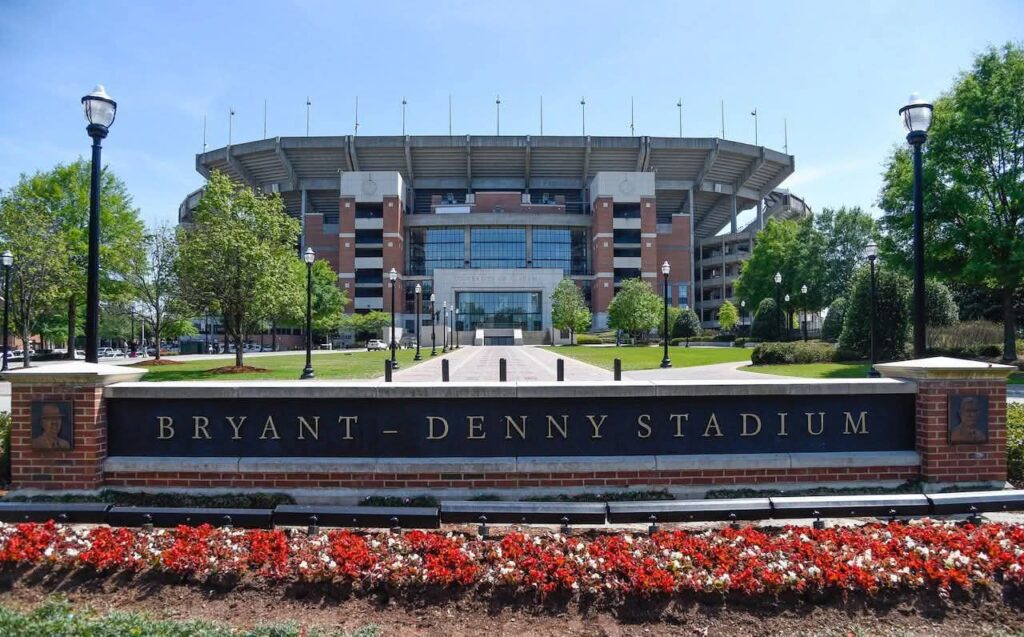
Bryant-Denny Stadium
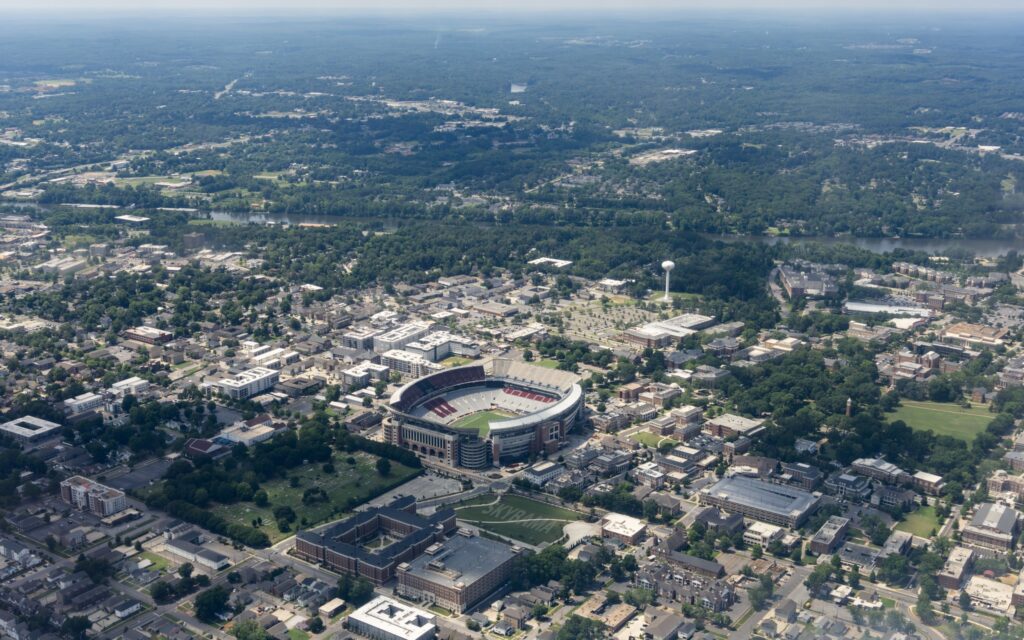
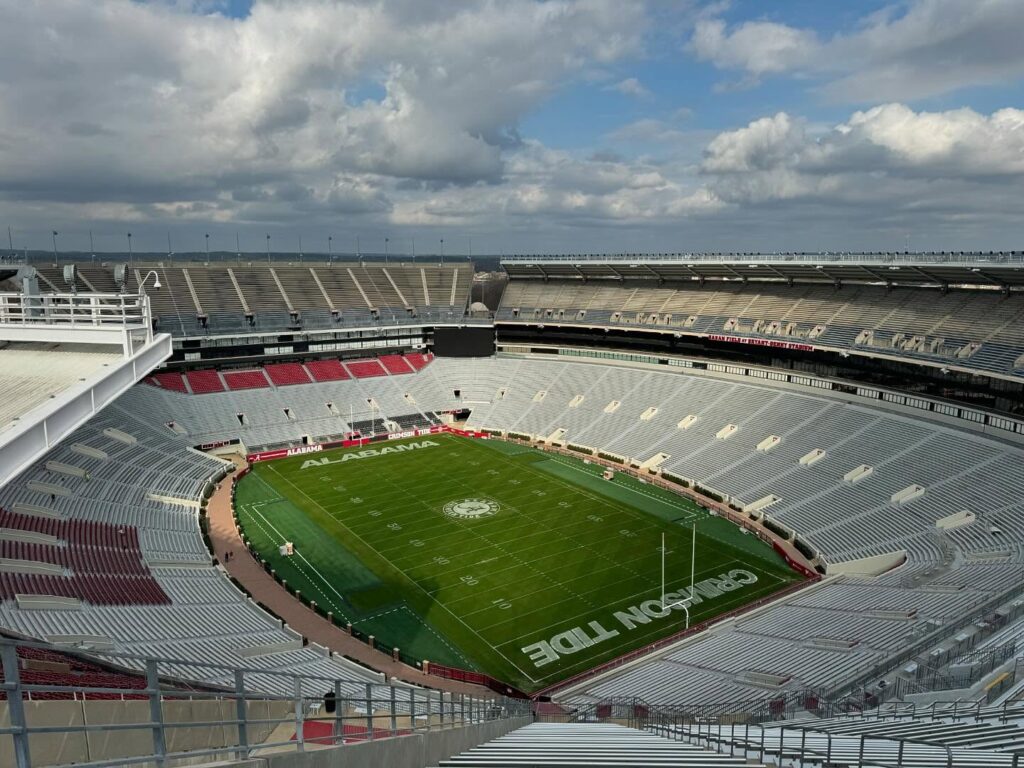
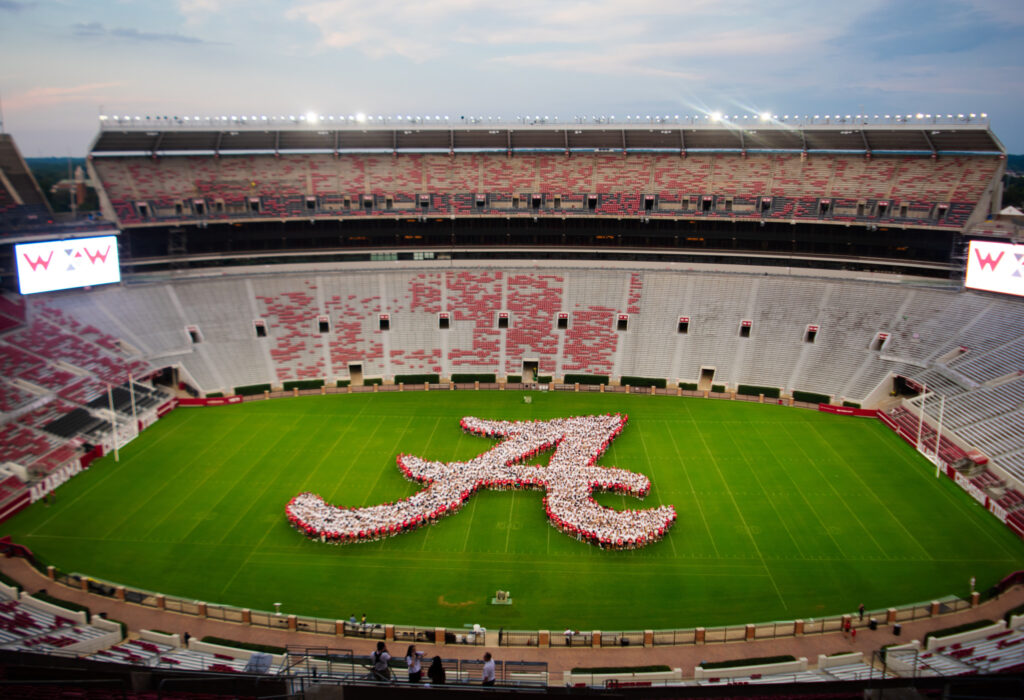
If you’re a college football fan, this iconic stadium is a must-see. Home to the University of Alabama Crimson Tide, Bryant-Denny Stadium seats over 100,000 fans and transforms into a sea of crimson on game days. Even off-season, stadium tours offer an inside look at locker rooms, press areas, and the team’s storied history.
Before the stadium was built, games were played on the Quad. From 1893 to 1914, two different sites were used on the Quad. The first site was in the southeast corner, with the field parallel to 6th Avenue. Around the turn of the century, the field was moved 90 degrees to the west and ran parallel to University Boulevard.
In 1915, football games were moved off the Quad to University Field, later renamed Denny Field in 1920 after the former president. The Tide played there for the next 14 years until 1928. Denny Field was two blocks east of the current stadium, behind Little Hall. On September 28, 1929, the George Hutcheson Denny Stadium opened on the present site and was officially dedicated the following week at Homecoming ceremonies. The stadium had a seating capacity of 12,000.
In 1975, the stadium took on another name. The state legislature renamed the stadium Bryant-Denny Stadium in salute to Tide coach Paul William “Bear” Bryant.
Location: 920 Paul W Bryant Dr, Tuscaloosa, AL
Pro Tip: Game day tickets sell out fast. So, book early if you want to experience the roar of the crowd.
Tuscaloosa Riverwalk
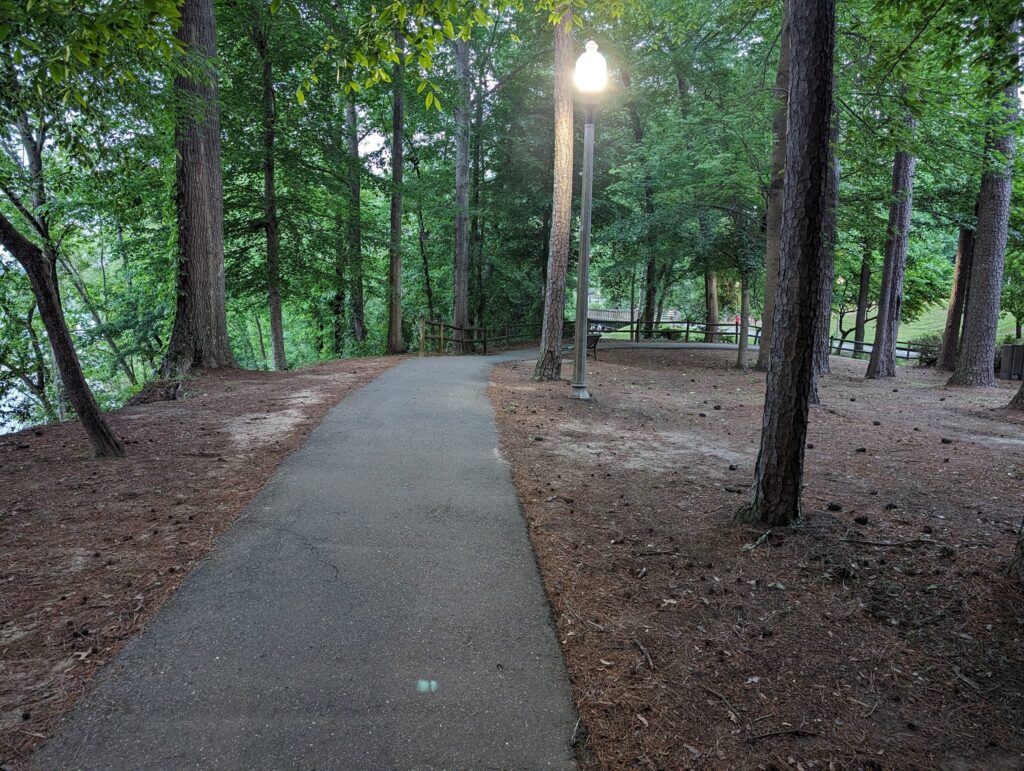
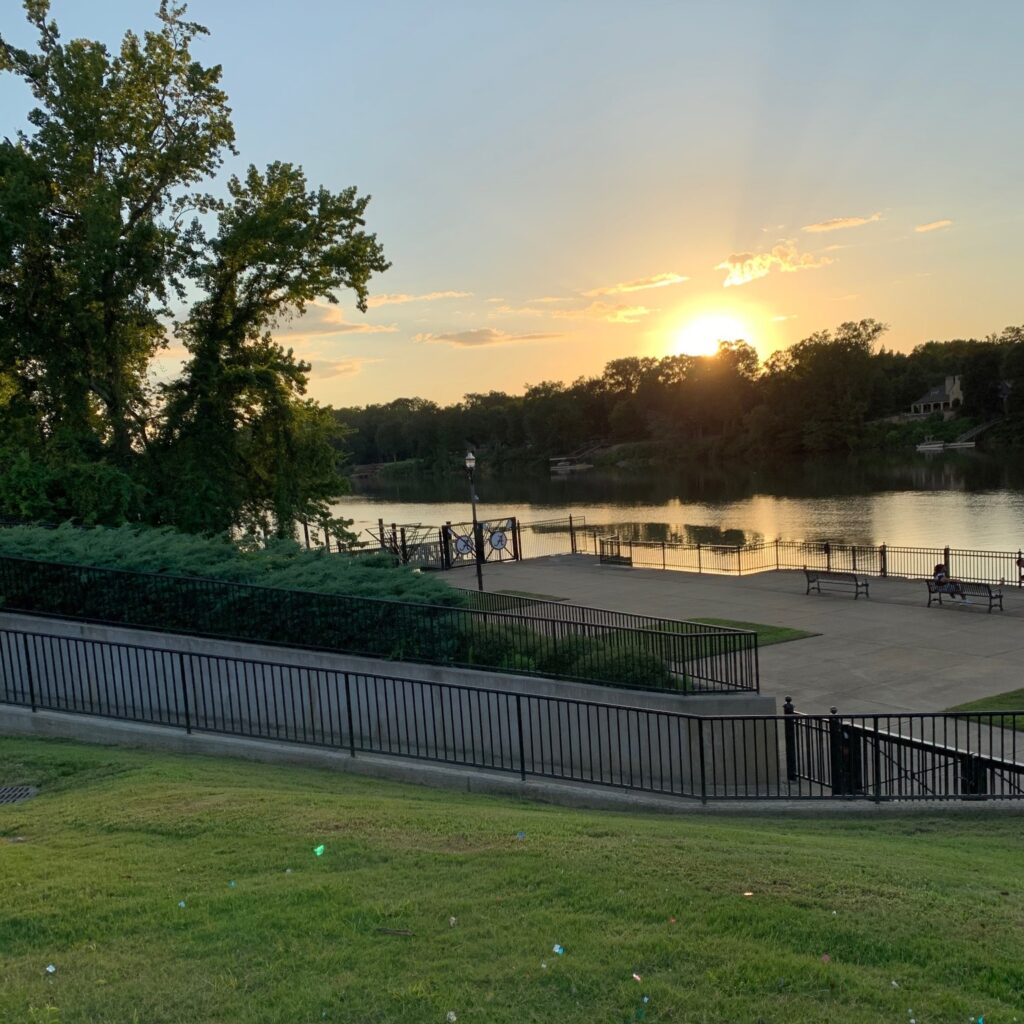
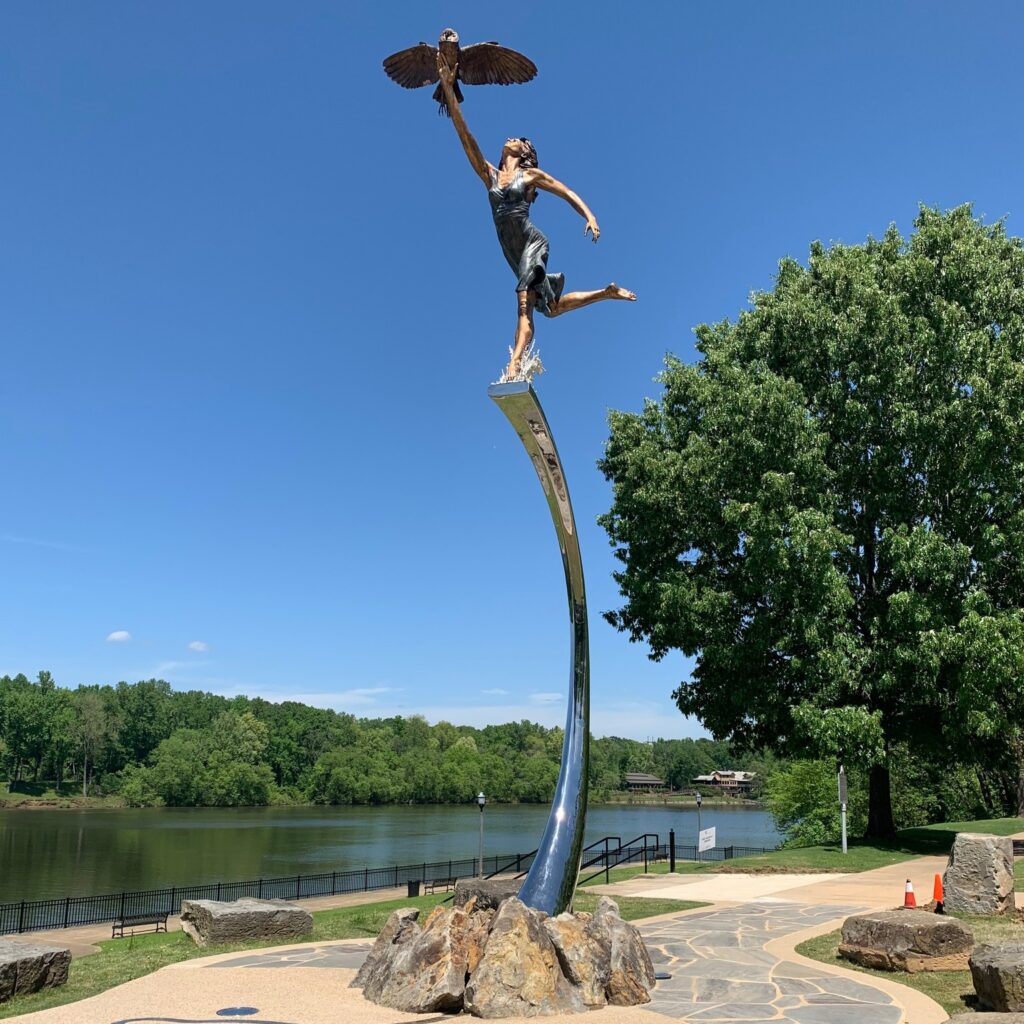
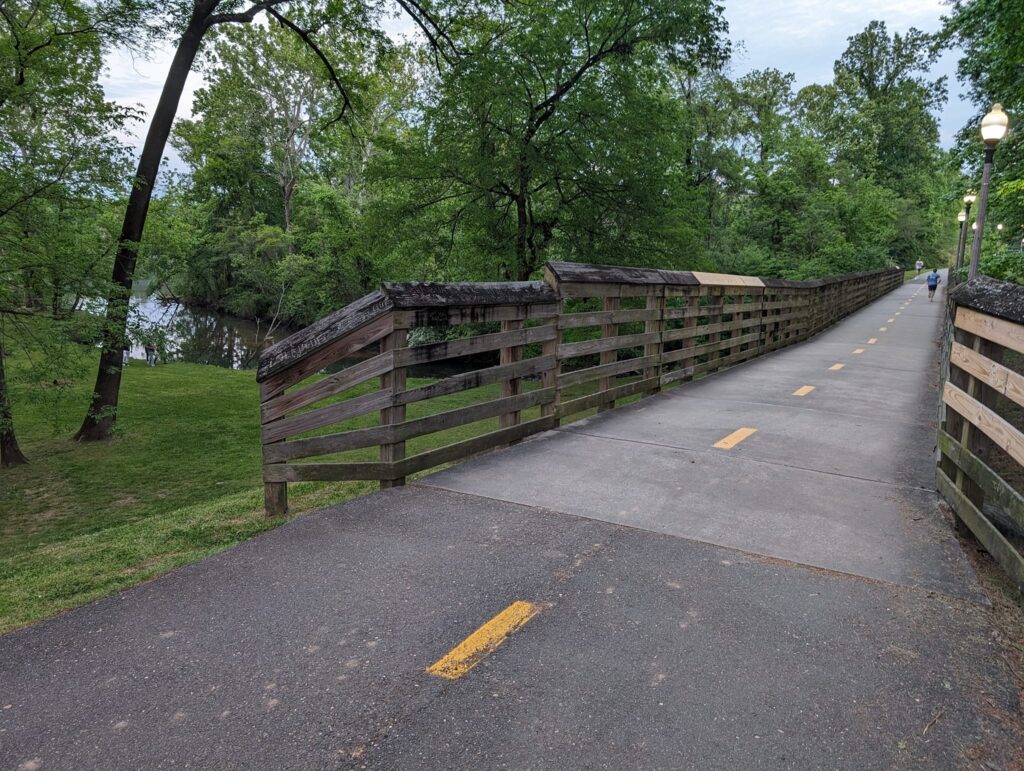
The Tuscaloosa Riverwalk runs along the scenic Black Warrior River and is perfect for walking, jogging, cycling, or relaxing outdoors. The trail features shaded paths, river overlooks, playgrounds, and public art installations.
It’s a favorite spot for both locals and visitors looking to enjoy nature without leaving the city.
Location: Jack Warner Pkwy, Tuscaloosa, AL
Pro Tip: Visit in the late afternoon to catch a gorgeous Alabama sunset over the water.
Paul W. Bryant Museum
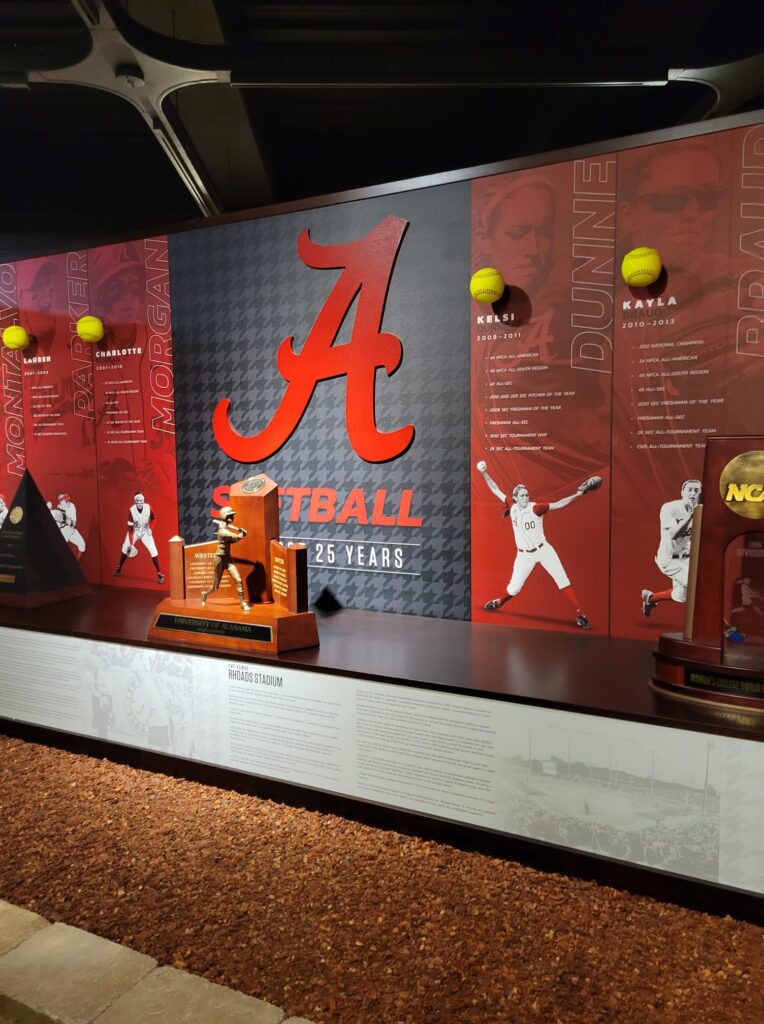
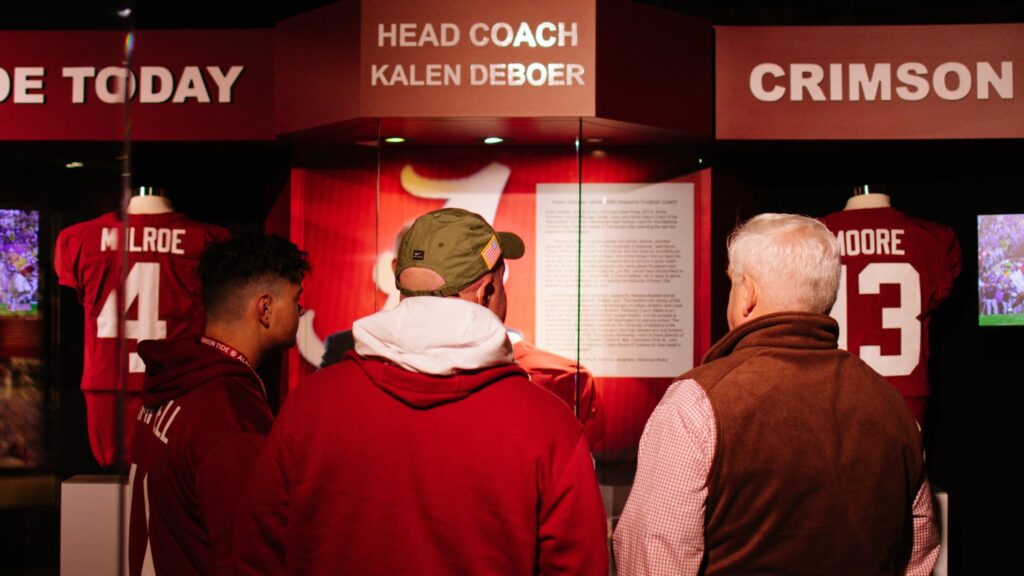
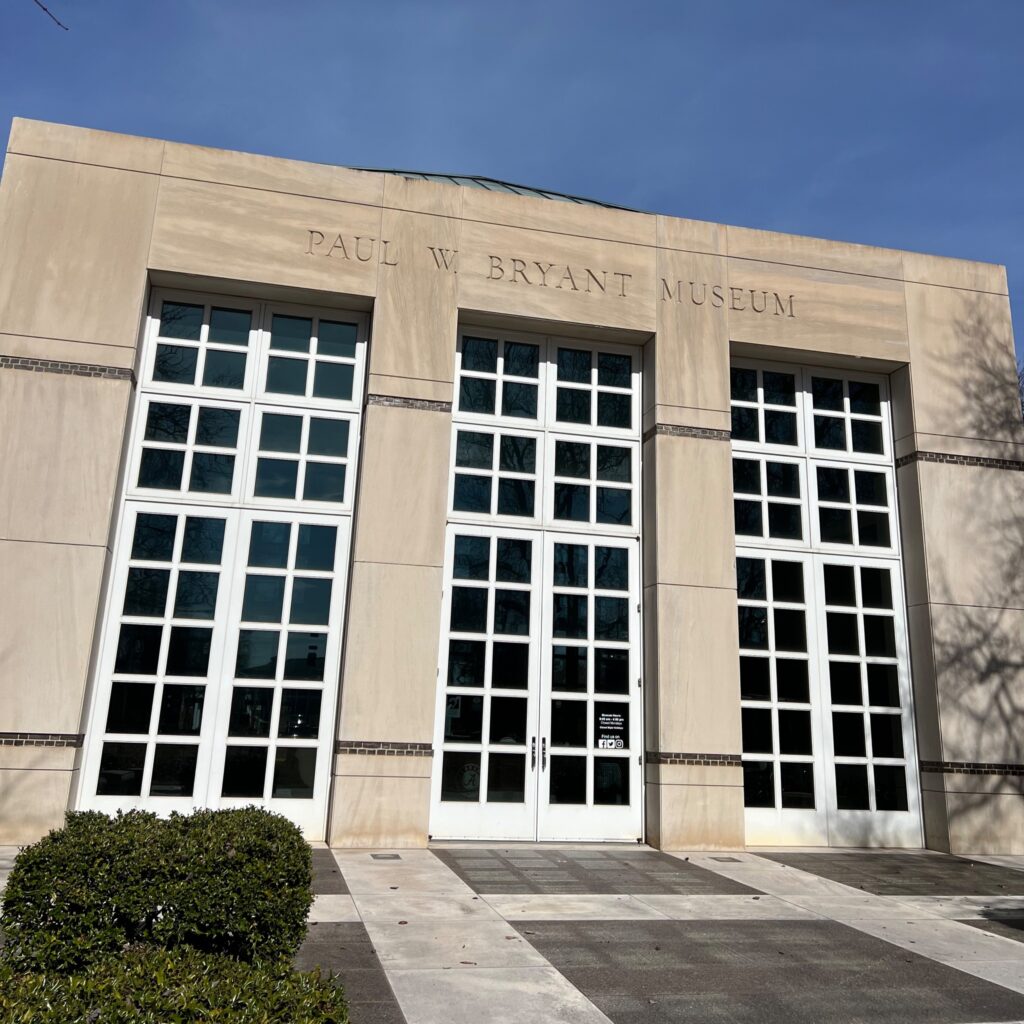
Dedicated to legendary coach Paul “Bear” Bryant, this museum is a must for Alabama football fans. The Paul W. Bryant Museum showcases trophies, historic memorabilia, and multimedia exhibits that highlight the Crimson Tide’s legacy.
It’s an educational stop that gives deeper insight into Tuscaloosa’s sports culture.
Location: 300 Paul W Bryant Dr, Tuscaloosa, AL
Pro Tip: Pair your visit with a campus tour for the full University of Alabama experience.

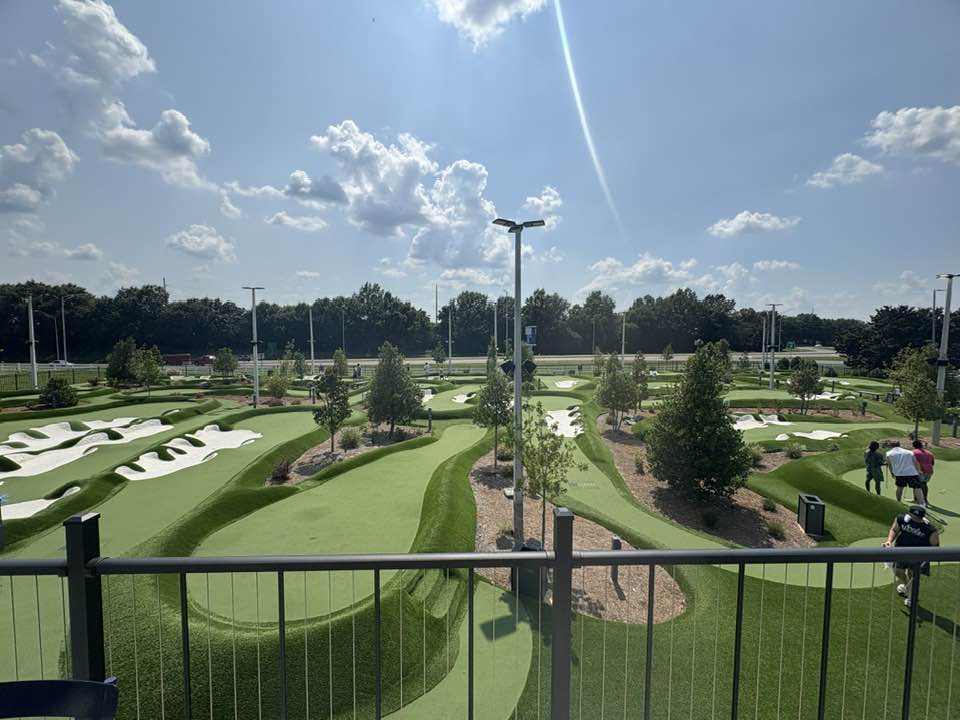
PopStroke Tuscaloosa
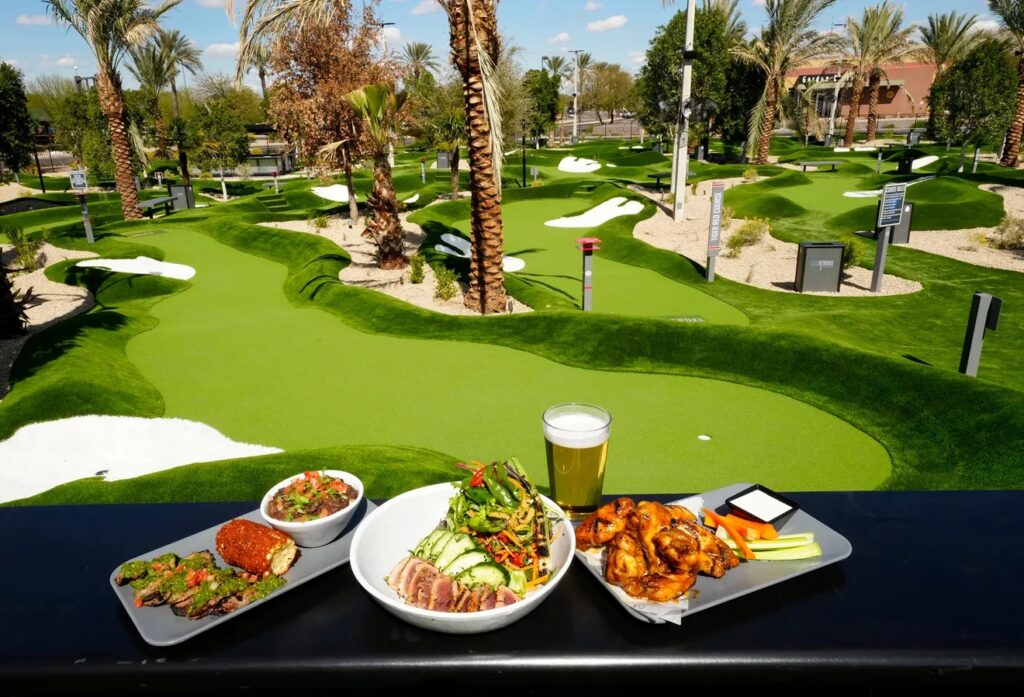
One of Tuscaloosa’s newest attractions, PopStroke is a modern mini-golf and entertainment venue created in collaboration with Tiger Woods. It features two creative 18-hole putting courses, a full-service restaurant, rooftop bar, and ice cream parlor.
Perfect for families, friends, and couples.
Location: 6800 University Blvd E, Tuscaloosa, AL
Pro Tip: Go in the evening for cooler temperatures and enjoy dinner or drinks after your game.


Lake Nicol
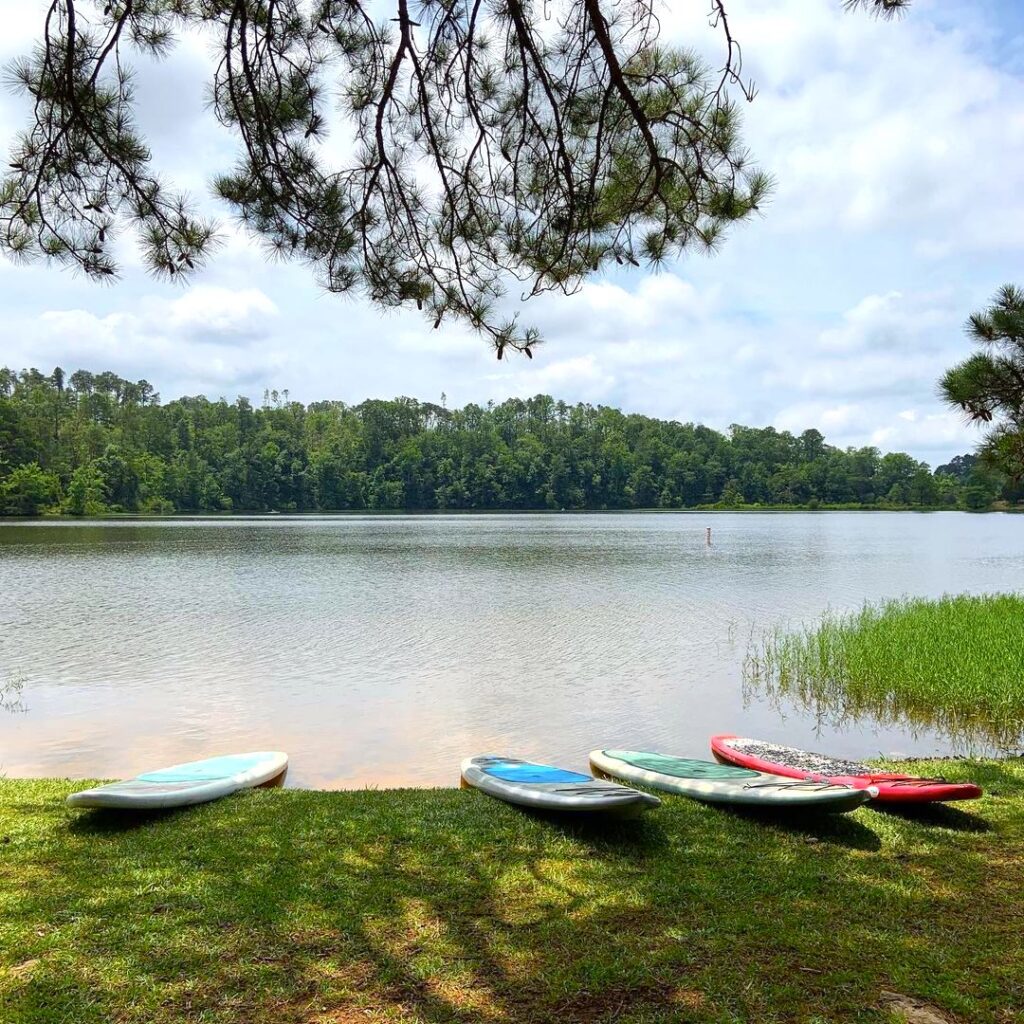
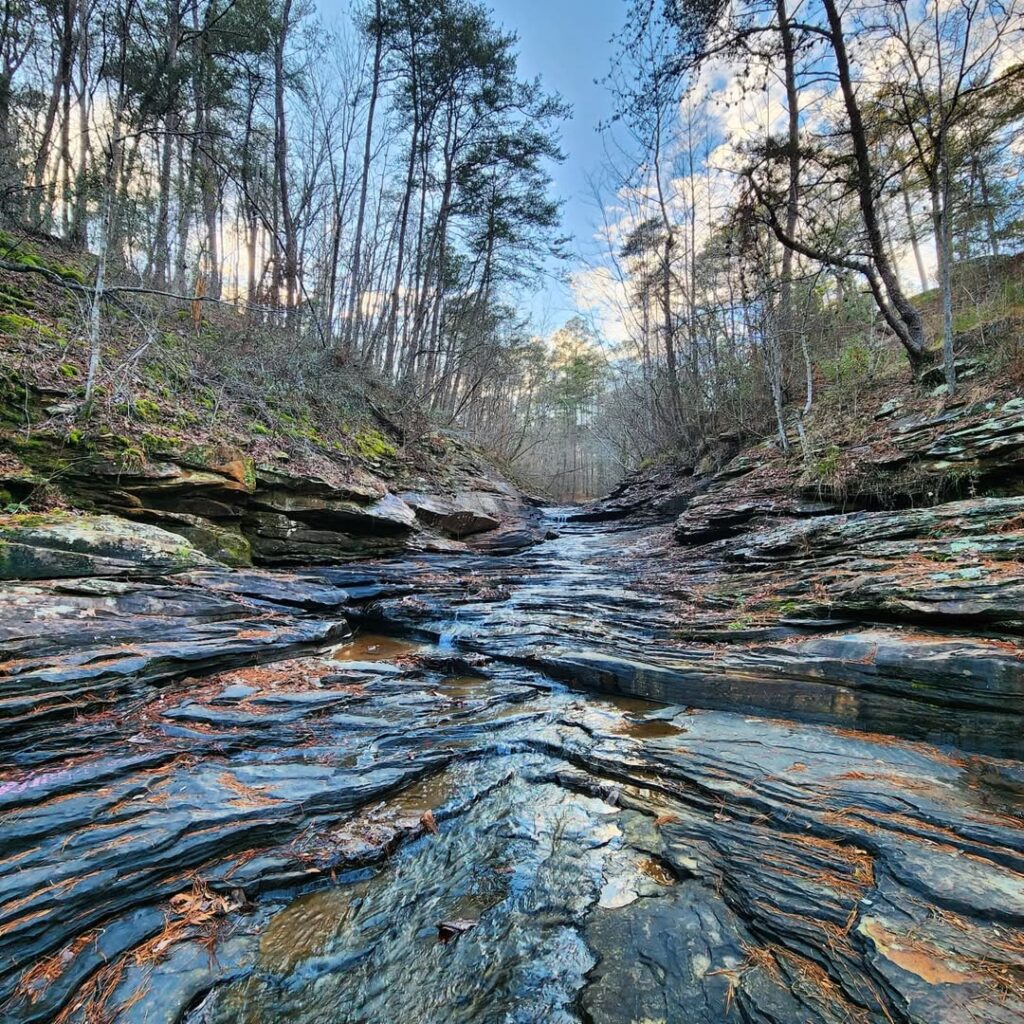
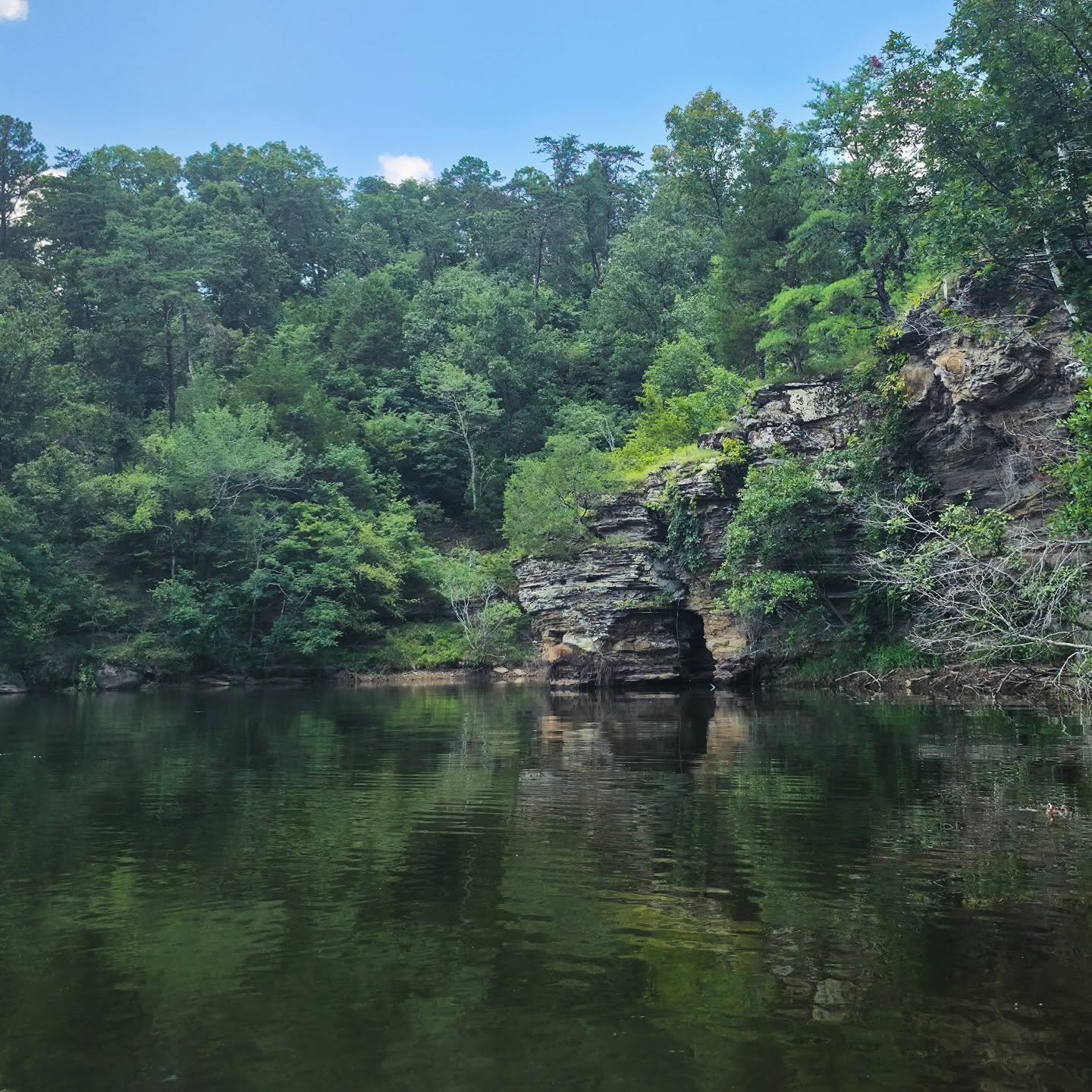
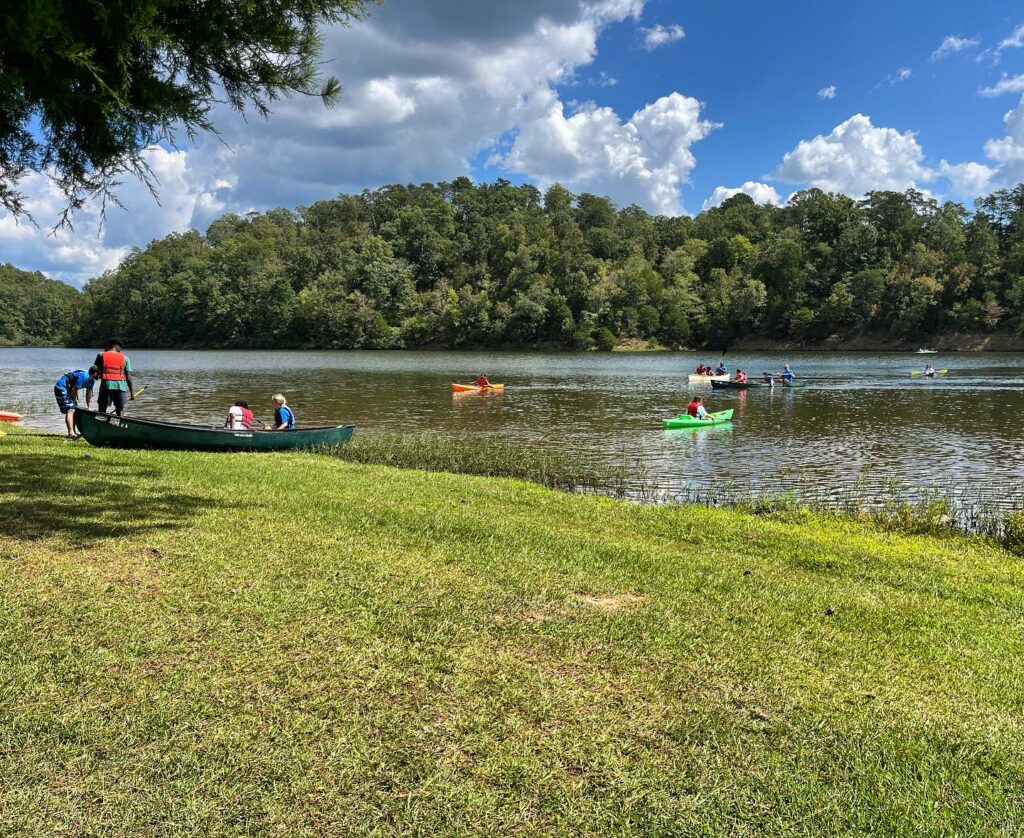
Located just outside the city, Lake Nicol is a peaceful escape surrounded by pine forests and scenic cliffs. It’s a great spot for kayaking, paddleboarding, fishing, hiking, or simply relaxing by the water.
This hidden gem shows a quieter, more natural side of Tuscaloosa.
Location: Nicol Park Rd, Tuscaloosa, AL
Pro Tip: Bring your own kayak or paddleboard for the best experience because rentals are limited nearby.
Frequently Asked Questions About Tuscaloosa Town
1. What is Tuscaloosa known for?
Tuscaloosa is best known as the home of the University of Alabama, Alabama Crimson Tide football, Bryant-Denny Stadium, and its strong college-town culture. It’s also known for the Black Warrior River, Southern food, and historic landmarks.
2. Why is Tuscaloosa called Druid City?
Tuscaloosa is called “The Druid City” because of its many large oak trees that reminded early settlers of Druids, the ancient Celtic priests associated with oak forests.
3. Is Tuscaloosa a good town to live in?
Yes, Tuscaloosa is considered a good place to live, especially for students and families. It offers affordable living costs, a strong sense of community, college sports culture, and access to outdoor activities.
4. What college football team is in Tuscaloosa?
Tuscaloosa is home to the Alabama Crimson Tide, one of the most successful college football programs in NCAA history.
5. Why do Alabama fans say “Roll Tide”?
“Roll Tide” is a traditional chant used by Alabama fans to support the Crimson Tide Football. It symbolizes pride, unity, and enthusiasm for Alabama athletics.
6. Is Tuscaloosa safe for visitors?
Tuscaloosa is generally safe for visitors, especially around the University of Alabama campus, the Riverwalk, and downtown. Like any city, visitors should use common sense and be aware of their surroundings.
7. What are the best places to visit in Tuscaloosa?
Top places to visit in Tuscaloosa include Bryant-Denny Stadium, the Tuscaloosa Riverwalk, the Paul W. Bryant Museum, Lake Nicol, and entertainment spots such as PopStroke Tuscaloosa.
8. Is Tuscaloosa good for a weekend trip?
Tuscaloosa is great for a weekend trip, offering college football games, museums, outdoor parks, river views, and a lively food scene.
9. Does Tuscaloosa have outdoor activities?
Tuscaloosa offers plenty of outdoor activities, including walking trails, kayaking on Lake Nicol, riverfront strolls, cycling, and scenic picnic spots along the Black Warrior River.
10. What is the best time to visit Tuscaloosa?
The best time to visit Tuscaloosa is in the fall, especially during football season, when the city is lively and the weather is pleasant. Spring is also popular for outdoor activities.