Horseshoe Bend, Arizona: Where the Colorado River Tells a Timeless Story

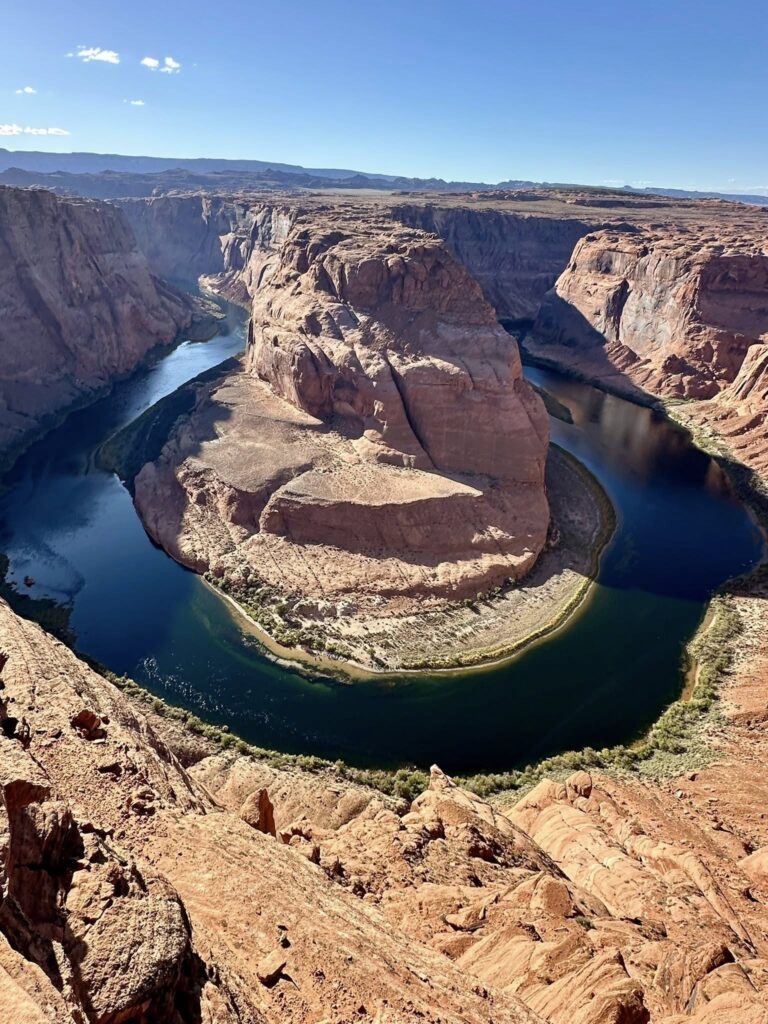
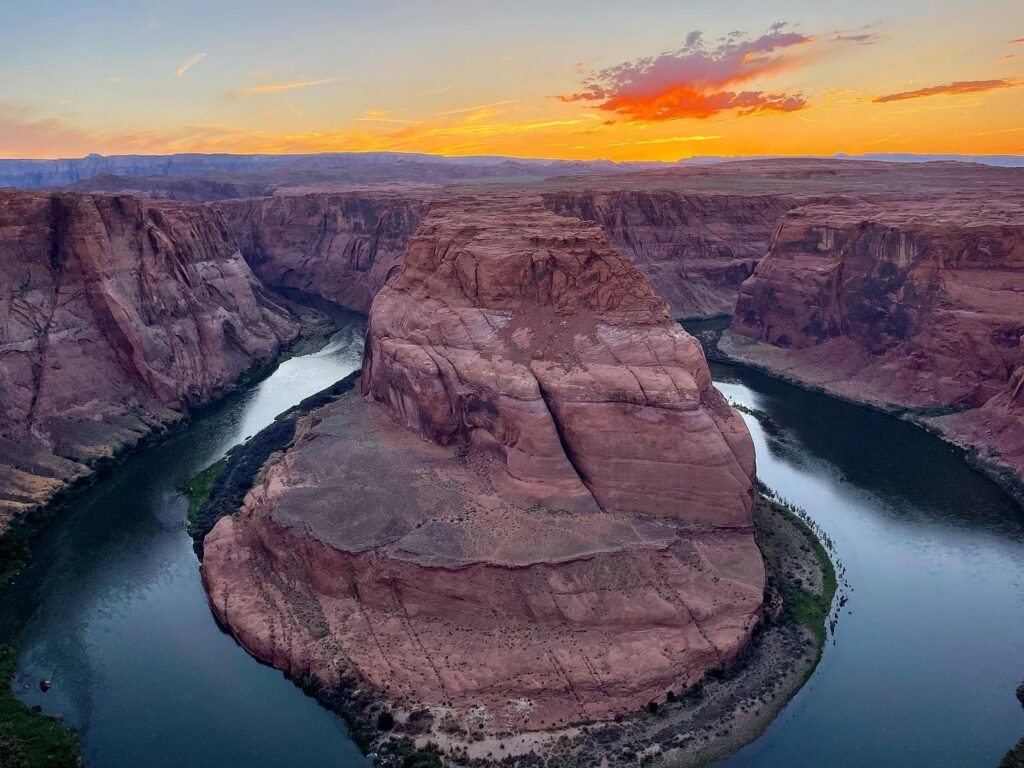
Classic overlook view of Horseshoe Bend Arizona showing the Colorado River curving around the canyon

Horseshoe Bend Arizona is one of those rare places that feels just as powerful in person as it looks in photographs. Some places look impressive in photos, but only a few truly change the way you feel when you stand there. Horseshoe Bend in Arizona is one of those rare places. Even after seeing it countless times online or in photos, nothing quite prepares you for the moment when the canyon opens up, and the Colorado River curves silently below your feet.

Located just outside the town of Page, Arizona, Horseshoe Bend sits within the dramatic landscapes of the American Southwest. The area is managed as part of the Glen Canyon National Recreation Area, overseen by the National Park Service. The overlook rises nearly 1,000 feet above the river, offering a sweeping view of a perfect horseshoe-shaped bend carved into layers of red and orange sandstone. It is a place that instantly slows you down and pulls your attention away from everything else.

How Horseshoe Bend Was Formed

Horseshoe Bend is not a sudden creation. Over millions of years, the Colorado River patiently carved its way through the Navajo sandstone, shaping the canyon inch by inch. The riverโ€™s calm surface today hides the immense geological power that created this natural curve. Standing at the overlook, it becomes clear that time, water, and gravity worked together to shape something truly remarkable.

Beyond its geological beauty, the land holds deep cultural importance for the Navajo (Dinรฉ) people. For generations, this region has carried spiritual meaning, and many guided experiences in the Page area are led by Navajo guides who share stories connected to the land. Understanding this adds depth to the visit and reminds travelers that Horseshoe Bend is more than just a scenic viewpoint.

The Walk to the Overlook

Reaching Horseshoe Bend is relatively easy, which makes it accessible to a wide range of visitors. The trail is about 1.5 miles round trip and mostly flat, with a gravel surface that works well for families, strollers, and visitors with limited mobility. While the walk itself is not difficult, the desert environment can be challenging, especially during warmer months.

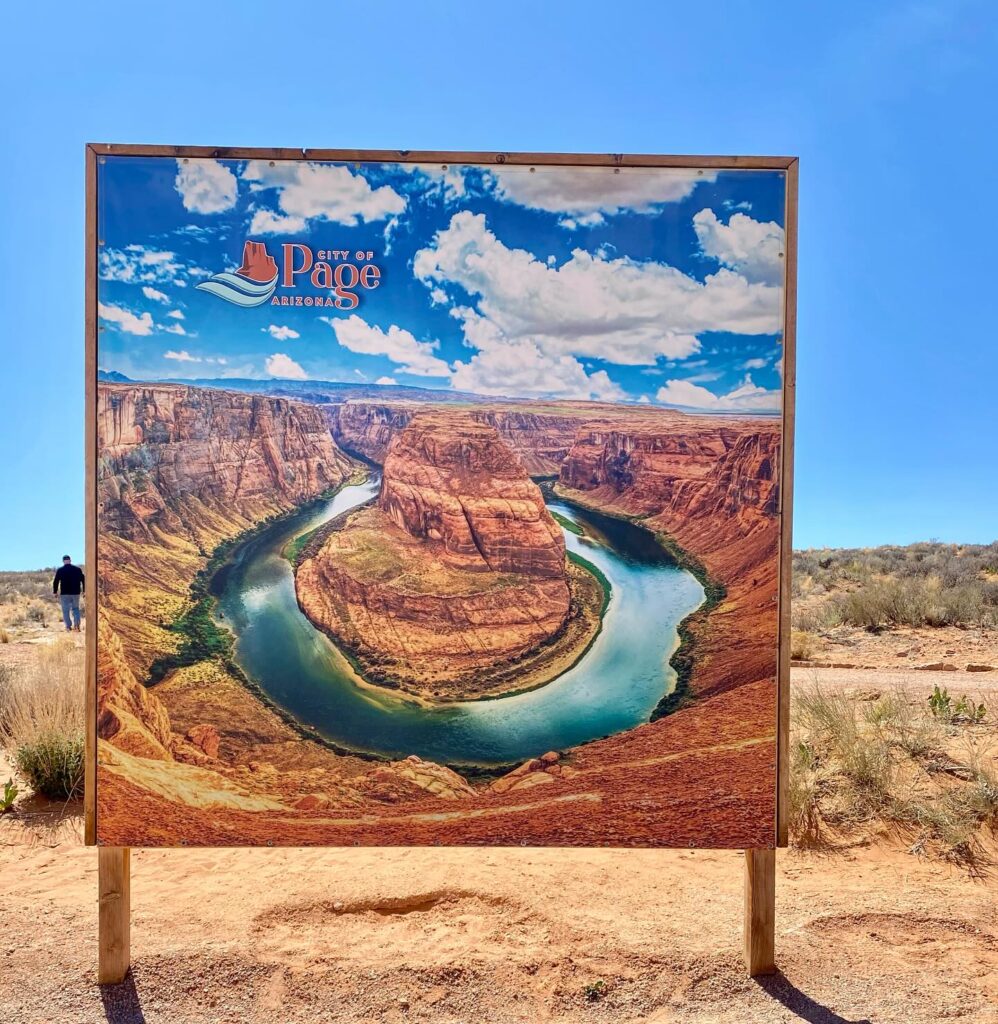
Horseshoe Bend Arizona entrance sign with a scenic view of the Colorado River bend

Shade along the trail is limited, and temperatures in Page, Arizona, can rise quickly. Bringing plenty of water, wearing sun protection, and choosing comfortable footwear are essential. The final stretch leads to the overlook, where the landscape suddenly opens and the river appears below without much warning.

Sunrise vs Sunset at Horseshoe Bend

One of the most common questions visitors ask is whether sunrise or sunset is the better time to visit Horseshoe Bend. Both offer unique experiences.

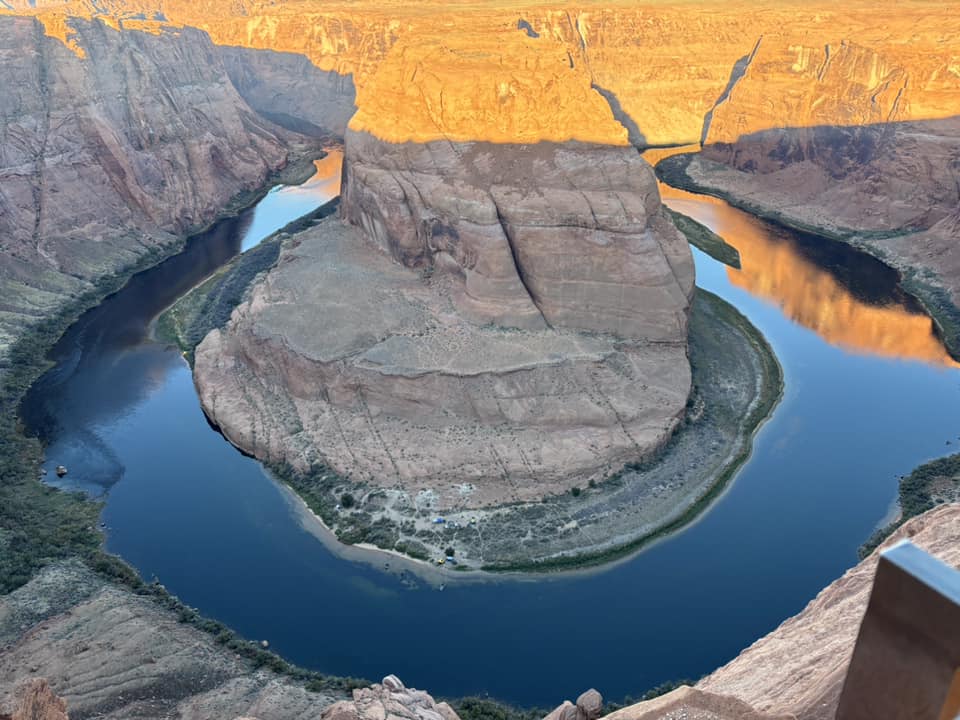
Sunrise is quieter and cooler, with softer light illuminating the canyon walls. Fewer crowds make it easier to enjoy the view peacefully and capture photos without distractions. Sunset, on the other hand, transforms the canyon into glowing shades of gold, orange, and deep red. As the sun lowers, shadows stretch across the river, creating dramatic contrasts that photographers love.

No matter the time of day, visitors should remain cautious near the edge. While safety improvements have been made, there is no full barrier along the rim, and the drop is significant.

Photography and Viewing Tips

Horseshoe Bend is one of the most photographed locations in Arizona, and for good reason. The contrast between the calm blue-green water and the rugged sandstone cliffs creates striking images. A wide-angle lens is best for capturing the full curve of the river, but even smartphone cameras can produce impressive results with the right lighting.

Because of its popularity, the overlook can become crowded during peak hours. Arriving early or visiting during off-peak seasons can make the experience more enjoyable and allow more time to take in the view without feeling rushed.

Safety and Awareness

While Horseshoe Bend is a breathtaking destination, it also requires awareness and respect. The steep cliffs and lack of barriers mean visitors should keep a safe distance from the edge, especially when traveling with children. Staying on designated paths and following posted guidelines helps ensure a safe visit for everyone.

The desert climate can also be unpredictable. Heat exhaustion and dehydration are common issues during warmer months, so preparation is key. Simple planning goes a long way toward making the experience memorable for the right reasons.

More to See Near Horseshoe Bend

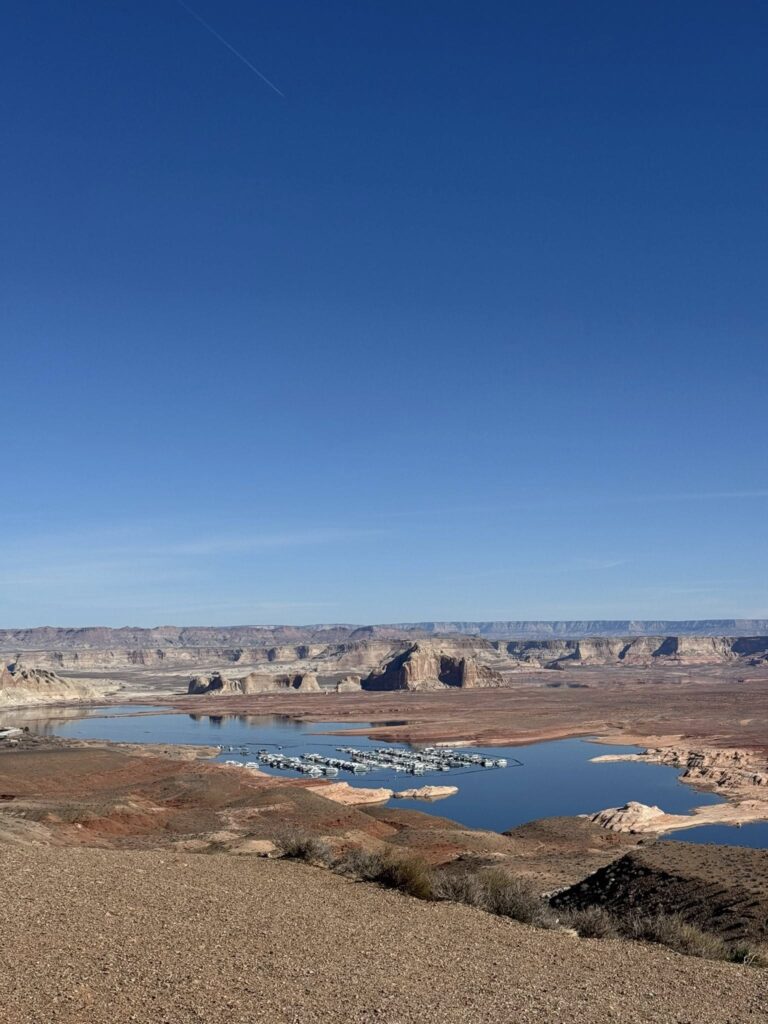
A visit to Horseshoe Bend often pairs well with exploring nearby attractions. Antelope Canyon, known for its narrow passageways and beams of light, is a popular stop and requires a guided tour through the Navajo Nation. Lake Powell offers opportunities for boating, kayaking, and relaxing along the water, providing a different perspective on the regionโ€™s natural beauty.

For travelers looking for adventure, kayaking through the Colorado River below Horseshoe Bend offers a completely different view of the iconic curve, allowing visitors to experience the scale of the canyon from below.

Why Horseshoe Bend Leaves a Lasting Impression

Horseshoe Bend is more than a quick photo stop. It is a reminder of nature’s power and the slow passage of time. Standing above the river, surrounded by silence and vastness, creates a moment of reflection that lingers long after you leave.

Whether you visit for the scenery, photography, or simply to experience one of Arizonaโ€™s most iconic landscapes, Horseshoe Bend offers something timeless. It invites you to pause, look around, and appreciate the quiet beauty shaped by nature over millions of years.

PROS:
๐Ÿœ๏ธThe site itself is a natural wonder and It is in my opinion way better in person that what you see in photos/videos. It is also so much bigger than you may think, I was in awe when I saw it for the first time.
๐ŸฅพItโ€™s extremely easy to get to the viewpoint,only a short 1.5 miles out and back walk on a flat terrain. It will only take you 15/20 minutes to get there
๐ŸŒ… It is one of the best Sunrise/Sunset spots in the area for both tourists and photographers offering incredible photos opportunities. Sunrise is when you will get the best possible lighting.

CONS:
๐Ÿ‘จโ€๐Ÿ‘ฉโ€๐Ÿ‘งโ€๐Ÿ‘ฆ Crowds –That is one of the main cons that comes to my mind when I think about this place. The easy access makes it one of the most popular tourist stops in the southwest. In the weekends it may be so crowded that it could be hard to find a spot to sit and admire this incredible place. I will suggest you to go early in the morning if you donโ€™t want to have this problem.
๐Ÿฅต If you are visiting in summer the heat at mid-day can make your visit very hard. Temperatures can reach up to 105F and there is literally no shades anywhere near

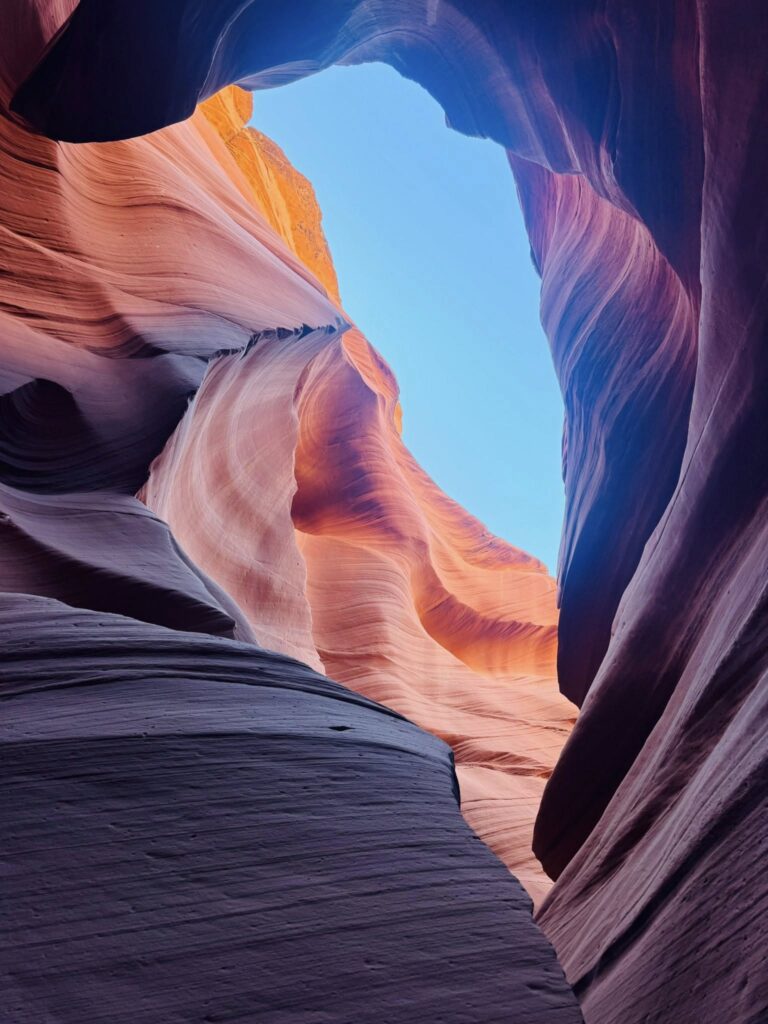
Interior view of Antelope Canyon in Arizona with narrow sandstone walls and natural light
Interior view of Antelope Canyon

Many visitors combine this stop with a guided walk through nearby Antelope Canyon.

Frequently Asked Questions (FAQ) About Horseshoe Bend

Q. Is Horseshoe Bend free to visit?

Horseshoe Bend itself does not require an entrance ticket, but there is a parking fee at the official parking lot. Fees vary by vehicle type, and the parking pass is valid for a single entry. There are no additional charges once youโ€™re on the trail or at the overlook.


Q. What city is closest to Horseshoe Bend, Arizona?

The closest city to Horseshoe Bend is Page, Arizona. The overlook is located just a short drive from Page, making it easy to visit as a quick stop or part of a longer stay in the area.


Q. Can you drive to Horseshoe Bend by car?

Yes, you can drive directly to the official Horseshoe Bend parking lot by car. The site is well-marked and accessible from U.S. Highway 89. From the parking area, visitors walk along a clearly defined trail to reach the overlook.


Q. How long is the walk from the parking lot to Horseshoe Bend?

The walk from the parking lot to the Horseshoe Bend overlook is about 1.5 miles round trip. Most visitors reach the viewpoint in 15โ€“20 minutes one way, depending on pace, weather, and crowd levels.


Q. Do you need a tour to visit Horseshoe Bend?

No, a tour is not required to visit Horseshoe Bend. The overlook is open to the public, and visitors can explore independently. Guided tours are optional and typically include transportation or combine Horseshoe Bend with nearby attractions.


Q. Is Horseshoe Bend worth visiting?

Yes, Horseshoe Bend is widely considered worth visiting, especially for first-time travelers to northern Arizona. The dramatic river bend, canyon views, and easy access make it one of the most memorable natural landmarks in the region.


Q. Is Horseshoe Bend in Arizona or Utah?

Horseshoe Bend is located in Arizona, near the town of Page. While it is close to the Utah border, the overlook and access point are entirely within Arizona.


Q. Is Horseshoe Bend safe for visitors?

Horseshoe Bend is safe when visitors follow basic precautions. There are steep cliffs and limited barriers, so keeping a safe distance from the edge is important, especially when traveling with children. Staying on designated paths and being mindful of weather conditions helps ensure a safe visit.


Q. When is the best time to visit Horseshoe Bend?

The best time to visit depends on preference. Sunrise is quieter and cooler, while sunset offers dramatic lighting and color changes across the canyon walls. Midday visits tend to be hotter and more crowded, particularly in warmer months.


Q. Can you visit Horseshoe Bend year-round?

Yes, Horseshoe Bend is open year-round. However, weather conditions vary by season. Summer months can be extremely hot, while winter mornings may be cold and windy. Checking the forecast and planning accordingly makes the experience more comfortable.

5/5 - (1 vote)

Related

Latest posts

spot_img

Categories

spot_img
Verified by MonsterInsights