A California trip gets better when you stop trying to fit all of California into it. A desert morning, a coastal drive and a mountain walk can each be wonderful, but they don’t necessarily belong on the same day. Use these 43 places to choose a region and build a route you’ll enjoy.
Before booking around a drive or hike, look at Caltrans road conditions and the park’s alerts. A seasonal road closure can change the whole route. The photos here come from the earlier guide and show the scenery, not the conditions for your travel dates.
43. Pacific Coast Highway
A coastal drive is more enjoyable with time to pull over legally and take in the view. Choose a section of Pacific Coast Highway that fits your day, then see whether it’s open. Slides and storms can interrupt the route you had in mind.

42. Redwood National and State Parks
In redwood country, choose a grove, trail or scenic drive and give yourself time to enjoy it. The national and state parks cover more than one quick stop. Forest walks and coastal outings need different plans, so start with the specific area you want to visit.

41. Mono Lake
Mono Lake is an Eastern Sierra stop for unusual shoreline scenery and tufa formations. Use the designated access areas and leave the formations alone. Wind and sun can make a short visit feel exposed, so bring what you need even if you aren’t planning a long walk.
40. Laguna Beach
Laguna Beach is a place to choose a particular beach or coastal walk, not assume every cove is easy to reach. Sort out public access and parking first. Tide pools deserve gentle observation, while open water needs attention to the conditions and posted rules.

39. Death Valley
Death Valley needs a weather-first plan. Long distances and extreme heat can turn a short-looking outing into a serious undertaking. Read the park’s road and weather updates before entering, and choose activities for the conditions rather than insisting on a hike because it’s on your list.

38. Ancient Bristlecone Pine Forest
The Ancient Bristlecone Pine Forest is a high-elevation visit that depends on road access. Snow can close the approach, so it isn’t a reliable winter-drive suggestion. Use Forest Service information for the season and leave the trees and soil undisturbed when you walk.
37. Burney Falls
Go to Burney Falls for the waterfall view, with time for the permitted trails and overlooks. Before travelling, read the state park’s access and reservation information. Follow the signs around the water; this isn’t a warm waterfall-pool swimming recommendation.
36. Cypress Tree Tunnel, Point Reyes
The Cypress Tree Tunnel makes a short photographic stop at Point Reyes. Keep access clear and respect restrictions around the historic radio site. It’s easier to enjoy as one part of a Point Reyes day than as a rushed detour for a single picture.
35. Lake Berryessa spillway viewpoint
Lake Berryessa’s circular spillway, often called the Glory Hole, is something to view from a legal public location. It’s a working water structure, not a swimming spot. Stay outside barriers and well away from it in the water, however calm the reservoir looks.

34. Ojai Valley
Ojai suits a slower day with time for the town, a meal and a walk that fits the weather. Pick a few things you actually want to do instead of assuming every nearby orchard or retreat welcomes drop-in visitors. The valley setting is a reason to leave some breathing room.
33. Salton Sea
The Salton Sea is a very different outing from a typical beach resort. Look at environmental, air-quality and access information before choosing where to stop. Use designated public areas and don’t assume that an open stretch of shoreline is a suitable swimming place.
32. Bowling Ball Beach
For Bowling Ball Beach, the tide is part of the plan. Arriving when the formations are covered may not give you the view you expected. Use a legal route down, watch waves and footing, and don’t follow someone onto an unsafe edge just for a photograph.
31. Dana Point Harbor
Dana Point Harbor can be a relaxed coastal walk or the start of a booked boat outing. Decide which you want before filling the day. For a cruise, read the departure and cancellation terms and leave room for sea conditions; wildlife doesn’t appear to a timetable.
30. Big Sur
Big Sur is a place to enjoy a manageable piece of coast, not race through every viewpoint. Confirm the road is open and use designated pullouts and legal trails. Keep the day flexible, particularly if weather or a closure changes where you can go.

29. Rainbow Falls, Devils Postpile area
Rainbow Falls needs a plan for reaching the Reds Meadow and Devils Postpile area as well as the walk itself. Seasonal roads and shuttle arrangements can change. Work out the full return journey and take heat into account before setting off for the falls.
28. Big Bear Lake
Big Bear is a mountain break, with a very different feel in summer and winter. Build the visit around the lake or seasonal activity you want, then prepare for the drive. Mountain weather, road rules and parking can matter as much as the booking itself.

27. Los Angeles County Museum of Art
For a city day between outdoor trips, LACMA offers a museum stop in Los Angeles. Start with the exhibitions you want to see and the buildings open on your date. Other Miracle Mile museums are nearby if you want to make a day of it.
26. Fern Canyon
Fern Canyon is more than a turnoff to add at the last minute. Read the reservation guidance for vehicle access before driving toward Gold Bluffs Beach. Water and seasonal conditions affect the walk, so prepare for the canyon you’ll actually find.
25. Lava Beds National Monument
At Lava Beds, choose a cave that matches your experience and is open to visitors. Darkness, low ceilings and uneven ground can make a short route challenging. Follow the park’s safety and conservation instructions, including lighting and any screening requirements, before going underground.
24. Griffith Park
Griffith Park is a big part of Los Angeles, so choose a destination within it. An observatory visit and an exposed hike are different ways to spend the day. For a trail, plan around heat and daylight. Don’t treat the park as an open invitation to camp.
23. Hearst Castle
Hearst Castle is a visit to book around a particular tour. Choose the areas and level of access that suit you, then leave time for arrival at the visitor centre and transport. It isn’t the kind of stop where you simply park and wander in.
22. The Huntington gardens
At The Huntington, you can build the day around gardens, art or library exhibitions. Pick a few priorities and take breaks rather than trying to cover all the grounds. The public visitor experience is separate from access to the research library.
21. The Flower Fields at Carlsbad Ranch
The Flower Fields at Carlsbad Ranch are a seasonal plan. Look at the opening dates and bloom information before arranging a special trip. Once there, stay on the marked routes. A photo among flowers isn’t a reason to step into planted areas.
20. Cabrillo National Monument
Cabrillo National Monument combines coastal views with history in San Diego. Decide whether you want the main visitor area, the shoreline or both, then look at opening and tide-pool guidance. Conditions down by the water can differ from those higher up.
19. Sturtevant Falls
For Sturtevant Falls, start with the latest Angeles National Forest road and trail information. Fire or storm damage can make an older route description unreliable. Plan the whole walk and carry what you need instead of judging the outing from a waterfall photo.
18. Natural Bridges State Beach
This Natural Bridges is the state beach in Santa Cruz. It’s a coastal stop to enjoy at the pace of the tide and weather, with attention to wildlife and posted access signs. Make sure your directions point to this beach rather than another similarly named place.
17. Bumpass Hell, Lassen Volcanic National Park
Bumpass Hell is the hydrothermal stop in Lassen Volcanic National Park. Snow affects when you can reach it. Once open, use the trails and boardwalks: the park explains how thin ground can hide dangerously hot water. This is a place to look, not step closer.
16. Antelope Valley California Poppy Reserve
A poppy trip is worth planning around the actual bloom rather than last year’s photographs. Read the reserve updates before leaving, and prepare for sun and wind. Stay on the paths so the flowers remain there for the next visitors too.
15. Alamere Falls
Alamere Falls is a full hiking outing, not a quick waterfall stop. The NPS route from Palomarin is about 13.2 miles return, using Wildcat Beach with tide conditions in mind. Avoid unofficial cliff shortcuts and keep enough time and energy for the walk back.
14. Joshua Tree National Park
At Joshua Tree, choose the visit that suits your group, whether that means viewpoints, shorter stops or a more demanding walk. Heat and daylight should shape the plan. Bring water and don’t count on finding supplies or a phone signal whenever you need them.
13. Sonoma Valley
In Sonoma Valley, choose a couple of food, town or winery stops and enjoy them properly. Tastings may need reservations and have their own fees. Arrange transport if you’ll be drinking, then leave enough time between bookings that the day feels like a holiday.
12. Sequoia National Park’s Giant Forest
The Giant Forest is the Sequoia stop to plan if seeing the giant trees is your priority. Look at road access and shuttle arrangements for your dates before choosing a walk. Mountain roads and parking can make a short distance take longer than you expect.
11. Giant Rock, Landers
Giant Rock near Landers calls for a deliberate desert route, with legal access suited to your vehicle. Bring supplies and check the conditions before going. The stories around a landmark don’t change the practical demands of reaching it and getting back.
10. Golden Gate Bridge
Choose how you want to see the Golden Gate Bridge: from a viewpoint, on foot or along a permitted cycling route. Wind and fog can change the experience. Sort out access and parking, and step out of the flow of traffic when taking a photograph.

9. Yosemite National Park
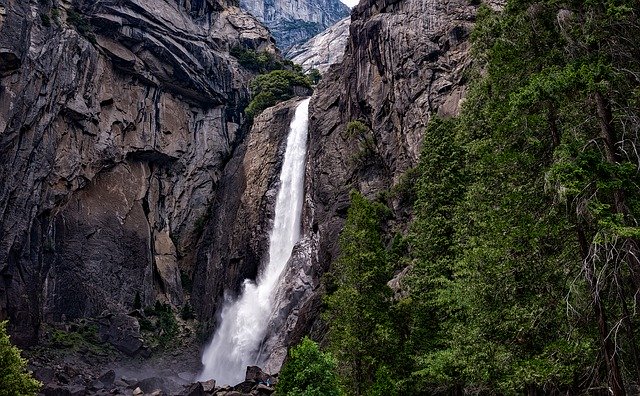
Yosemite works better when you pick an area and a few things to do. A valley walk and a remote hike don’t need the same preparation. Use the entry rules, road openings and trail conditions for your dates to decide what comfortably fits.
8. Lake Tahoe
Pick your part of Lake Tahoe and your season first. A summer shoreline day and a winter mountain trip are different holidays, even at the same lake. Roads, parking and activity bookings deserve attention before you commit to a full loop or a busy day.
7. Santa Barbara
Santa Barbara can be a relaxed stay or a coastal stop with time for a waterfront walk and a meal. Add the architecture or museum visits that interest you. If it’s part of a driving day, leave enough time to get out and enjoy the place.
6. Catalina Island
For Catalina Island, work out the return journey as carefully as the outward one. Boat or flight schedules and weather shape what you can fit in. A short Avalon visit and a trip inland need different arrangements, so decide which experience you’re after.
5. Napa Valley
Napa Valley is easier to enjoy with fewer tasting appointments and time between them. Book the places you want, compare fees and arrange transport if drinking. Leave space for lunch rather than turning the day into a race from one reservation to the next.
4. Santa Cruz
Santa Cruz gives you a few ways to spend a coastal day: a beach, a walk and optional Boardwalk rides. Look at the ride calendar separately from visiting the surrounding area. For the water, follow the posted conditions instead of assuming every beach is suitable for a swim.

3. Palm Springs
In Palm Springs, let the temperature shape the day. A pool break, an indoor visit and an exposed hike call for different plans, especially in summer. If you take the aerial tramway, look at conditions at the top as well as the weather in town.

2. Kings Canyon National Park
Keep Kings Canyon distinct from the Giant Forest stop above when building your route. They share a wider region, but moving between areas takes time. Seasonal roads decide how far you can drive into the canyon, so choose the day’s walks after checking access.
1. Los Angeles
For Los Angeles, build around neighbourhoods rather than crossing the city for every stop. Give beaches, museums and theme parks the time they need. Our Los Angeles guide helps separate city stops from the longer day trips nearby.

Which places fit the same trip?
Southern California: build around Los Angeles, Santa Barbara or San Diego-area stops, then add one desert or island excursion if time permits. Central coast: choose a passable coastal route around Santa Cruz, Big Sur and Hearst Castle. Mountains: plan Yosemite, Sequoia, Kings Canyon or the Eastern Sierra according to the roads open in your season.
Redwood country and Lassen need their own travel time. They aren’t quick extras on a Los Angeles weekend. With a short holiday, staying in one or two regions gives you more time outside the car and less time watching the arrival estimate.
Practical questions
What is the best season? It depends on the region: desert heat, mountain snow and coastal weather create different tradeoffs. Check destination-specific conditions for your dates.
Are all these places accessible without hiking? No. Some offer viewpoints or visitor areas; others, especially Alamere Falls, require a demanding walk. Choose a suitable alternative when a route doesn’t match your group.
What should I pack? Match footwear, layers, water and sun protection to the actual route and forecast. A city visit and a high-elevation hike should not share an identical packing assumption.
Related guides
Plan a visit to Los Angeles · Explore Pacific Park at Santa Monica Pier.